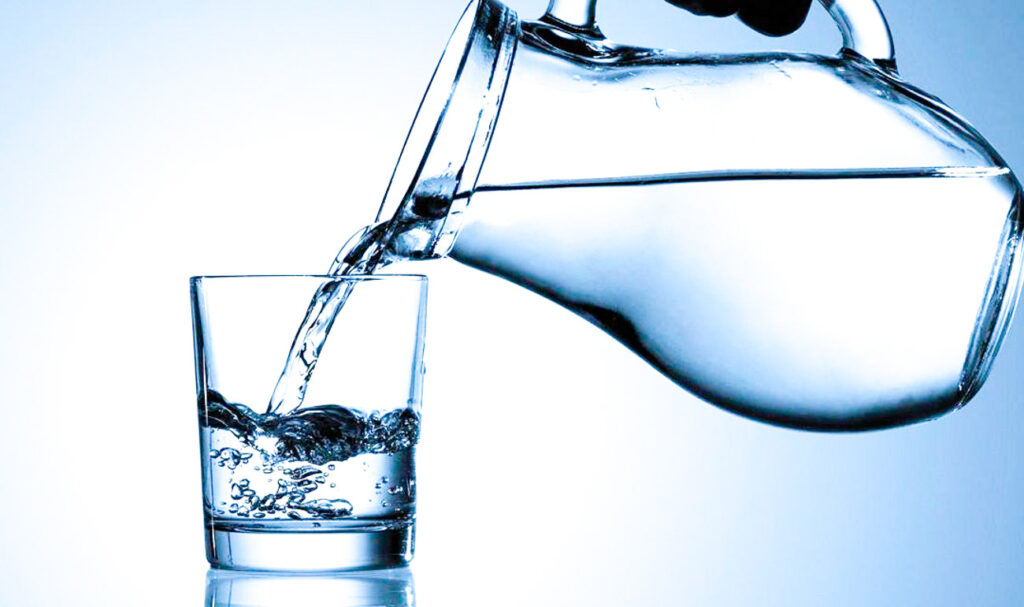
Water is one of the most basic yet most important components of human Health. Every Cell, Tissue, and Organ in the Body depends on adequate Hydration to function properly. While Water is often discussed in terms of preventing Thirst and Dehydration, its role extends much further. Adequate Water Intake supports the Kidneys, helps regulate Body Temperature, assists with Waste Removal, supports Digestion, lubricates Joints, and contributes to healthy cardiovascular and metabolic function. The Centers for Disease Control and Prevention (CDC) emphasizes that getting enough Water is essential for Health and that Water helps prevent Dehydration and allows the Body to function normally.
For people interested in Disease Prevention, Water is particularly important because what we drink can influence our risk for conditions such as Kidney Stones, Urinary Tract Infections (UTIs), Obesity, Type 2 Diabetes, Heart Disease, and other chronic conditions.
The Kidneys are remarkable Organs that continuously filter the Blood, remove Waste Products, regulate Fluid and Electrolyte Balance, and help control Blood Pressure. Water plays an essential role in allowing the Kidneys to perform these functions.
When the Body does not receive enough Fluid, the Blood can become more concentrated and the Kidneys must work under greater stress. Severe Dehydration can reduce Blood Flow to the Kidneys and, in some circumstances, contribute to Kidney Injury. The National Kidney Foundation explains that Water helps the Kidneys remove Waste from the Blood through Urine and supports adequate Blood Flow to the Kidneys.
Adequate Hydration is also particularly important for preventing Kidney Stones. Kidney Stones develop when minerals and other substances in Urine become concentrated and form Crystals. Drinking sufficient Water dilutes these substances and increases Urine Production, making it more difficult for Crystals to form and accumulate.
This does not mean that Water alone can prevent every type of Kidney Disease. Diabetes and High Blood Pressure are the two leading causes of Chronic Kidney Disease (CKD), and controlling these conditions is essential for long-term Kidney protection. Nevertheless, maintaining appropriate Hydration is an important component of overall Kidney Health.
One of the most important connections between Water and Diabetes is what Water can replace.
Regular Sodas, Sweetened Teas, Energy Drinks, Sports Drinks, Fruit Drinks, and other Sugar-Sweetened Beverages can contain substantial amounts of Added Sugar and Calories. Frequent consumption of Sugar-Sweetened Beverages is associated with Weight Gain, Obesity, Type 2 Diabetes, Heart Disease, Tooth Decay, and Gout.
Choosing Water instead of Sugar-Sweetened Beverages can therefore be a simple and meaningful dietary change. Water contains no Calories or Added Sugar. Replacing high-calorie beverages with Water can reduce overall Calorie and Sugar consumption, which may support healthier Weight Management and metabolic Health.
It is important to clarify that drinking Water does not directly “cure” or independently prevent Diabetes. Type 2 Diabetes is influenced by multiple factors, including Genetics, Body Weight, Physical Activity, Nutrition, Age, and other Health Factors. However, choosing Water over sugary beverages can be part of a broader lifestyle strategy for reducing Diabetes Risk. The CDC specifically recommends Water and Unsweetened Beverages as healthier choices for people working to prevent Type 2 Diabetes.
The relationship between Diabetes and Kidney Health is especially important. Diabetes is the leading cause of Kidney Disease, and approximately one in three Adults with Diabetes has Kidney Disease, according to the National Institute of Diabetes and Digestive and Kidney Diseases (NIDDK).
Persistently elevated Blood Glucose can damage the Blood Vessels and Filtering Structures within the Kidneys. Over time, this damage can interfere with the Kidneys’ ability to remove Waste and excess Fluid from the Body.
For individuals with Diabetes, protecting Kidney Health requires more than simply drinking Water. Blood Glucose, Blood Pressure, Cholesterol, Nutrition, Physical Activity, Medications, and regular Medical Monitoring all play important roles. NIDDK recommends managing Blood Glucose and Blood Pressure to help prevent or slow Diabetes-related Kidney Damage.
Water can support these efforts by providing a healthy, Sugar-Free alternative to beverages that contribute excess Calories and Added Sugar.
Hydration also has an important relationship with Cardiovascular Health. The Body requires adequate Fluid to maintain normal circulation and Blood Volume. Water also supports normal physiological processes involved in regulating Body Temperature and transporting Nutrients.
At the same time, Hydration should not be confused with treatment for High Blood Pressure. High Blood Pressure is a major risk factor for Heart Disease, Stroke, and Kidney Disease and requires appropriate Lifestyle Management and, when necessary, Medical Treatment.
A Heart-Healthy lifestyle generally includes a balanced Diet, regular Physical Activity, healthy Weight Management, adequate Sleep, avoidance of Tobacco, appropriate Alcohol Intake, and control of Blood Pressure and Cholesterol.
Adequate Fluid Intake can also support Urinary Tract Health. Drinking enough Water increases Urine Production, which can help flush Bacteria from the Urinary Tract. Hydration can therefore be particularly useful as part of a broader strategy for reducing the risk of some Urinary Tract Problems.
People who experience recurrent UTIs, Kidney Stones, or other Urinary conditions should discuss individualized Fluid recommendations with a Healthcare Professional.
There is no universal amount of Water that every person must drink each day. Fluid requirements vary according to Age, Body Size, Physical Activity, Climate, Pregnancy, Breastfeeding, Illness, and other Health Conditions.
People generally need more Fluid when exercising, spending time in hot or humid environments, experiencing Fever, or losing Fluid through Vomiting or Diarrhea.
A practical approach is to drink Water regularly throughout the day rather than waiting until significant Thirst or Dehydration develops. Carrying a reusable Water Bottle, drinking Water with Meals, and choosing Water when eating away from Home are simple ways to make Hydration a daily habit.
However, more Water is not always better. People with advanced CKD, Kidney Failure, Heart Failure, or certain other Medical Conditions may need to restrict Fluid Intake. Excessive Water Consumption can also cause dangerously low Blood Sodium levels. Individuals with these conditions should follow their Healthcare Provider’s specific Fluid recommendations.
The importance of Water is not that it is a miracle treatment. Rather, Water is one of the simplest tools available for supporting basic Health and making healthier choices.
A glass of Water instead of a sugary beverage can reduce Added Sugar and Calories. Adequate Hydration can help the Kidneys remove Waste and may reduce the likelihood of Kidney Stones. Maintaining proper Fluid Balance supports normal Body Functions, while avoiding excessive Sugary Beverages can contribute to healthier Weight and Metabolic Health.
Ultimately, Disease Prevention requires a comprehensive approach. Drinking Water should be combined with a nutritious Diet, regular Physical Activity, healthy Weight Management, Blood Pressure and Blood Glucose Control, adequate Sleep, preventive Healthcare, and recommended Health Screenings.
Water may seem ordinary, but its contribution to Health is extraordinary. It supports the Kidneys, helps the Body eliminate Waste, prevents Dehydration, and provides a calorie-free alternative to Sugar-Sweetened Beverages.
For Kidney Health, adequate Hydration can help reduce the risk of Kidney Stones and support normal Kidney Function. For Diabetes Prevention, choosing Water instead of Sugar-Sweetened Beverages can reduce Added Sugar and Calorie Intake and support healthier Weight Management. For overall Wellness, Water helps the Body perform many of the essential functions required to keep us healthy.
The next time you reach for a Beverage, consider making Water your first choice. A simple daily decision can become part of a much larger commitment to Kidney Health, Metabolic Health, Heart Health, and long-term Disease Prevention.
This Article is intended for general Health Education and is not a substitute for individualized Medical Advice. People with Kidney Disease, Heart Failure, Diabetes, or other Medical Conditions should consult their Healthcare Professional regarding their appropriate Fluid Intake.